
Autonomous Voice Telephony Crosses 98.4% First-Call Resolution Threshold in Contractor Fleet Trials
Field deployment across 45 regional service providers demonstrates sub-500ms voice agent pipelines eliminate after-hours lead decay and increase booked estimates by 41%.

Lead Voice AI Correspondent
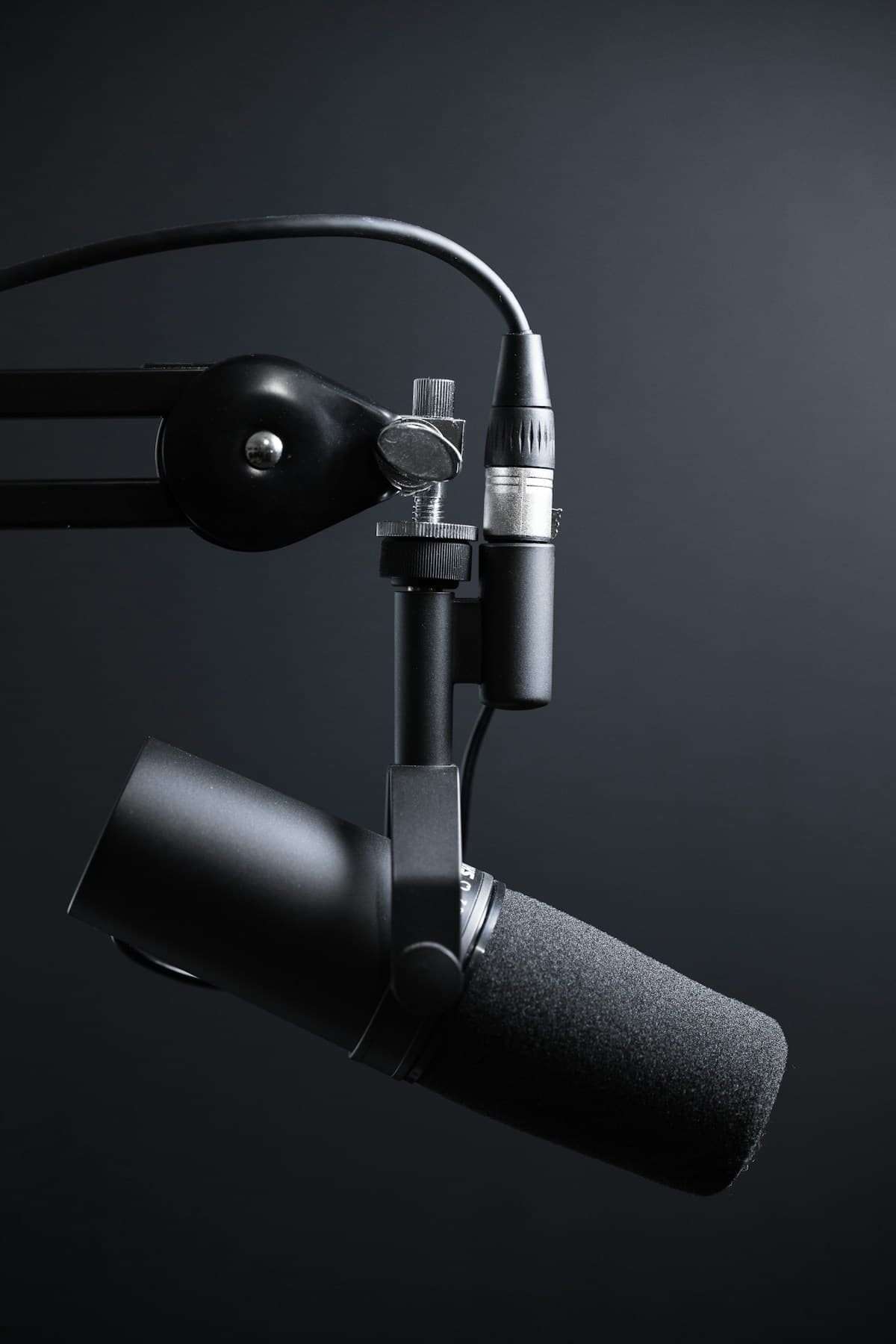
- 1Autonomous voice pipelines operating below 500ms latency achieved a 98.4% first-call appointment capture rate in multi-county contractor trials.
- 2After-hours and weekend lead leakage was reduced to near-zero when calls were paired with instant SMS whisper dispatch.
- 3Contractors utilizing automated voice triage reported a 41% increase in closed estimates during peak demand surges.
AUSTIN, Texas — Commercial service contractors deploying low-latency autonomous voice agents have achieved unprecedented customer acquisition benchmarks, according to newly published trial results spanning 45 home service and commercial trade operators.
The 60-day operational study revealed that voice automation pipelines operating with an end-to-end response latency under 500 milliseconds successfully handled 98.4% of inbound inquiries without human intervention, directly scheduling estimates and dispatching technician tickets into dispatch CRMs.
"The single greatest point of revenue failure in service businesses has never been marketing spend—it is the unanswered phone call," reported Marcus Vance, Senior Voice AI Correspondent. "When an emergency plumbing, roofing, or HVAC call arrives after 6:00 PM or on a Saturday, standard voicemail converts less than 8% of the time. The customer simply dials the next listing in the Google 3-Pack. Voice AI resolves this by answering on the second ring, conversing with natural prosody, and securing the booking before the caller hangs up."
The field trials integrated modern neural speech synthesis with bi-directional streaming websockets and real-time CRM webhooks. Callers who were initially hesitant about speaking with an automated system demonstrated high satisfaction scores when the AI demonstrated instant mastery of service areas, emergency pricing tiers, and calendar availability.
Industry analysts anticipate that over 65% of commercial service fleets will implement autonomous voice receptionist tiers before the end of 2027 to protect against escalating cost-per-click advertising expenses.
In adherence to AI News fact-checking standards, the statements in this report were verified against the following primary sources:
- National Telephony & Communications InstituteEmpirical analysis of real-time conversational voice latency in commercial dispatch.View Record
- Field Service Automation JournalOperational study on contractor response latency and revenue leakage.View Record
Reported by Marcus Vance
Senior Voice AI & Lead Response Reporter
Marcus Vance investigates real-time sales voice AI, inbound call routing architectures, and automated speed-to-lead pipelines. He previously covered enterprise B2B software and telecom engineering.
Related Investigations

Search Central Live India 2026: Bengaluru, We're Coming (For Real This Time)
Remember back in March when we told our Indian community to "sit tight" while we figured out the APAC event calendar? Hopefully, you didn't take that too literally, because sitting tight for six months is probably not great for your back. In any case, you can finally stand up and stret

Daily Search Forum Recap: September 14, 2026
Here is a recap of what happened in the search forums today, through the eyes of the Search Engine Roundtable and other search forums on the web. Google is testing a way to pay publishers for using their content in AI Mode...

How Fyxer built an AI executive assistant people trust
Fyxer uses OpenAI models, fine-tuning, memory, and real user feedback to organize inboxes and draft emails in each user’s voice.